An espresso machine needs the right combination of water flow, brewing resistance and pressure to extract coffee properly. If your machine is not building pressure, you may notice fast extraction, weak espresso, poor crema or little coffee coming from the group head.
However, low pressure does not always mean the pump is broken. Sometimes the problem relates to grind size, coffee preparation or a restriction in the water system.
Understanding the difference can help you avoid unnecessary repairs.
What Causes Low Pressure in an Espresso Machine?
Low brewing pressure can have several causes, including:
- Coffee ground too coarsely
- Insufficient coffee in the basket
- Incorrect tamping or uneven coffee preparation
- A worn or faulty water pump
- Air trapped in the water circuit
- Blocked or restricted water passages
- Faulty pressure-control components
- Water supply problems
The correct diagnosis depends on the machine type and when the pressure problem occurs.
1. Coffee Grind Size Is Too Coarse
One of the simplest reasons for fast, weak espresso is an unsuitable grind setting.
When coffee grounds are too coarse, water may pass through the coffee bed too quickly, reducing extraction resistance.
This can result in thin espresso and a shorter brewing time.
What Should You Check?
If your machine has an adjustable grinder, follow the manufacturer’s instructions for selecting a suitable espresso grind.
Make small adjustments and observe the resulting extraction.
If your machine has a built-in grinder that is producing inconsistent grounds despite correct settings, professional grinder inspection may be needed.
Explore our bean-to-cup coffee machine repair service for mechanical grinder and brewing problems.
2. The Coffee Dose or Preparation Is Incorrect
The quantity and distribution of coffee in the portafilter can also influence extraction.
Insufficient coffee or uneven preparation may allow water to flow through the basket too quickly.
Check that you are using the basket’s recommended dose and a suitable grind setting.
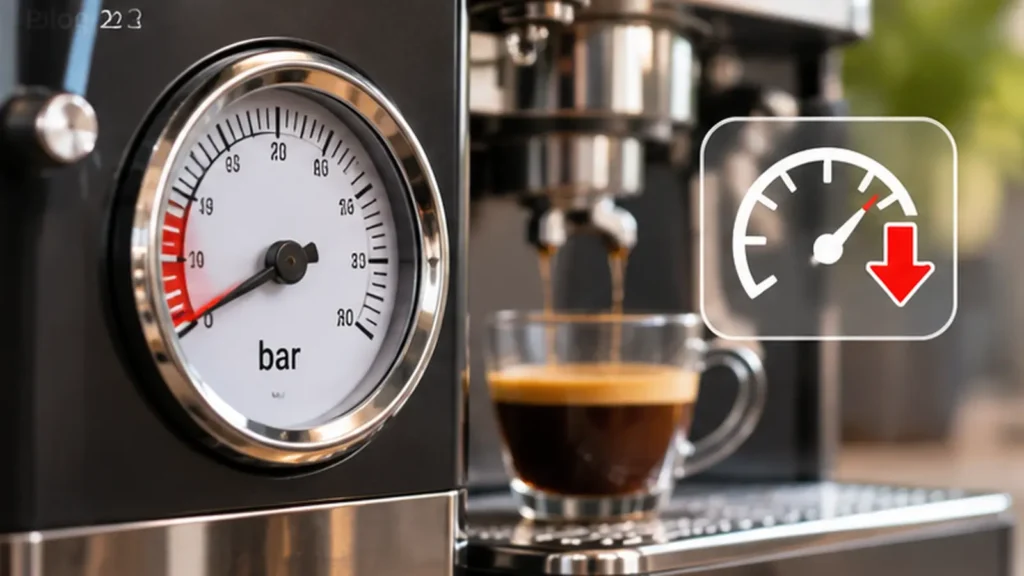
Be aware that pressure gauge behaviour varies by machine. Some gauges display pump pressure, while others are designed to indicate brewing pressure or a different measurement.
3. The Espresso Machine Pump Is Failing
If changing the grind setting does not help, the machine’s water delivery system may require attention.
A worn or malfunctioning pump can cause weak water flow or difficulty building the expected pressure.
Common warning signs include:
- Changes in normal pump noise
- Little or no water delivery
- Repeated pressure fluctuations
- Failure to build pressure during brewing
- Intermittent water flow
Pump faults should be confirmed through suitable technical testing rather than pressure gauge readings alone.
If a mechanical fault is suspected, Coffee Fix DXB provides coffee machine pump and pressure repair in Dubai.
4. Water Supply Problems or Trapped Air
An empty water tank, incorrectly fitted reservoir or air trapped in the water system can interrupt water delivery.
For plumbed-in commercial machines, the external water supply and filtration system may also affect operation.
What Can You Check?
Confirm that the machine has an adequate water supply and that any removable reservoir is seated correctly.
If your manufacturer provides a safe priming procedure, follow those instructions.
If the pump continues operating without delivering water, stop attempting repeated brewing cycles and arrange an inspection.
5. Blocked Water Passages or Mineral Build-Up
Mineral deposits can gradually restrict water passages, particularly when machine maintenance is neglected.
Coffee residue can also affect brewing components and water distribution.
However, pressure problems should not automatically be attributed to scale, because pump, valve and water supply faults can produce similar symptoms.
Descale only when recommended by your machine’s manufacturer, using an approved product and procedure.
6. Faulty Pressure Regulation Components
Some espresso machines contain pressure-control components such as an over-pressure valve or related regulation mechanisms.
When these components malfunction, brewing pressure may become unstable or fall outside the machine’s intended operating range.
Testing and adjustment should be carried out by a qualified technician using procedures appropriate to the particular machine.
7. Brewing Unit or Group Head Problems
In automatic coffee machines, worn brew group seals or mechanical faults can affect extraction.
In traditional espresso machines, group head problems, water distribution faults or leaking seals may also influence brewing behaviour.
If your machine displays brewing errors, leaks or makes unusual noises during extraction, consider having its brewing system inspected.
Our coffee machine brew unit repair service addresses common mechanical brewing problems in compatible machines.
Should an Espresso Machine Always Reach 9 Bar?
Around 9 bar is a common reference point for traditional espresso brewing, but it is not a universal requirement for every machine or brewing method.
Some machines advertise a higher maximum pump-pressure rating, while their actual brewing pressure is regulated differently.
The correct pressure depends on the machine’s design, configuration and manufacturer’s specifications.
If you are unsure whether your pressure reading is normal, consult the machine’s manual or request a technical assessment.
When Should You Book Espresso Machine Pressure Repair?
Consider professional inspection if:
- Pressure remains abnormally low after correcting coffee preparation
- The pump makes unusual noises
- Water flow is inconsistent or absent
- Pressure fluctuates unexpectedly
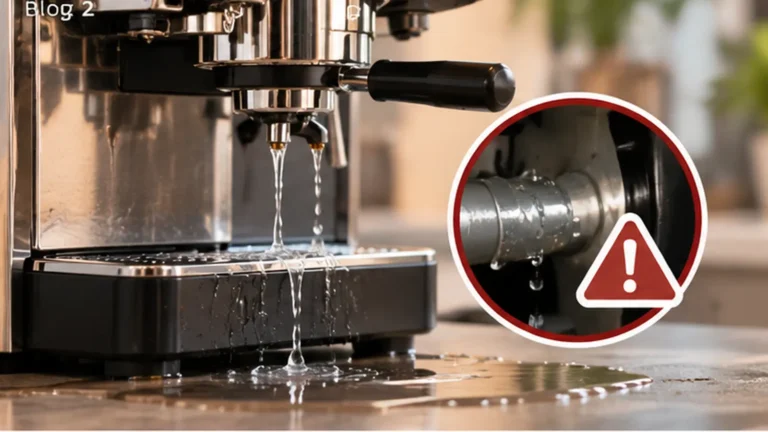
- The machine leaks during extraction
- Brewing problems continue despite routine cleaning
Persistent mechanical faults may require pump testing, inspection of water connections or pressure-control repairs.
Espresso Machine Pressure Repair in Dubai
Coffee Fix DXB provides professional diagnosis and repair support for espresso machine pressure problems across Dubai.
Whether you use a domestic espresso machine or commercial equipment in a café, we can help identify faults affecting water delivery and extraction.
Visit our espresso machine repair service page for more information about supported repair enquiries.
Need help with low espresso pressure? Send Coffee Fix DXB a WhatsApp message with your machine model, symptoms and a short video of the pressure gauge or brewing cycle.
Frequently Asked Questions
Why is my espresso machine pressure too low?
Low pressure may result from an unsuitable grind setting, insufficient coffee resistance, a water supply problem, restricted water flow or a faulty pump. The cause depends on the machine and its symptoms.
Does low espresso pressure mean the pump is broken?
Not necessarily. Grind size, dosing, airlocks and water supply faults can also affect brewing pressure. A technician can determine whether the pump is operating correctly.
Can a coffee machine pump be replaced?
Yes, pumps can be replaced in many espresso machines when compatible parts are available. The technician should confirm the fault and suitability of replacement before proceeding.